In today’s hyperconnected world, digital marketing is no longer optional—it’s essential. It enables businesses to reach their audience wherever they are: online. From social media to search engines, email, and websites, digital marketing helps brands engage, convert, and retain customers.
In this article, we’ll explore what digital marketing is, how it works, and why it’s one of the most powerful tools for business growth.
What Is Digital Marketing?
Digital marketing refers to all marketing efforts that use the internet or electronic devices. It includes channels such as:
- Search engines (Google, Bing)
- Social media platforms (Facebook, Instagram, X, LinkedIn)
- Email campaigns
- Websites and content blogs
- Online advertising (PPC, display, video)
Unlike traditional marketing, digital marketing allows for real-time data tracking, personalized campaigns, and precise targeting.
Core Components of Digital Marketing
1. Search Engine Optimization (SEO)
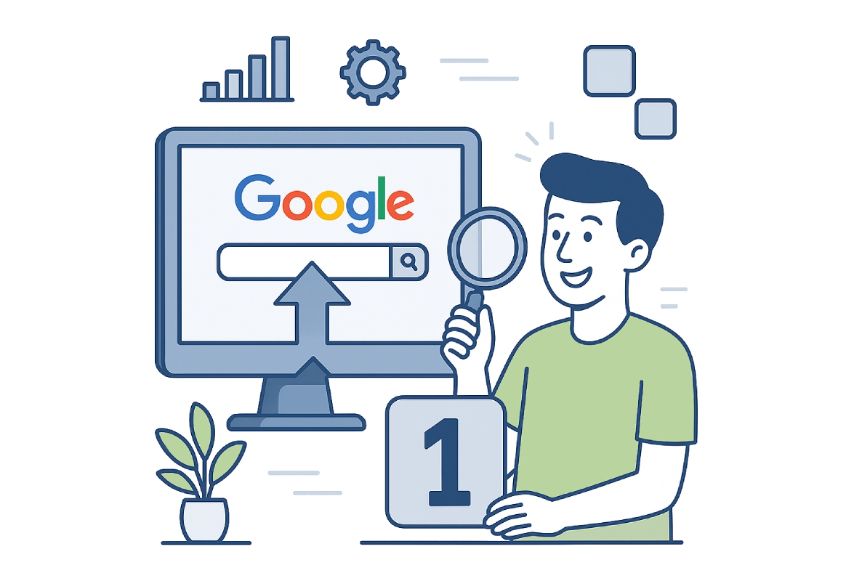
SEO is the process of optimizing your website to appear higher on search engine results pages (SERPs). It involves on-page elements (keywords, content), off-page links, and technical optimization.
2. Content Marketing
Content is the foundation of every digital strategy. Creating valuable, informative, and consistent content builds trust and positions your brand as an authority.
3. Social Media Marketing
Social media allows brands to engage directly with audiences. Platforms like Instagram, LinkedIn, and TikTok are vital for storytelling and brand awareness.
4. Pay-Per-Click Advertising (PPC)
PPC campaigns use paid ads to drive immediate traffic. You only pay when users click your ad, making it measurable and performance-based.
5. Email Marketing
Email remains one of the most cost-effective channels. Automated workflows and segmented lists ensure messages reach the right audience.
Benefits of Digital Marketing
- Measurable Results — Every click, view, and conversion can be tracked.
- Targeted Reach — Reach your ideal audience by demographics, behavior, or location.
- Cost Efficiency — Lower costs compared to traditional advertising.
- Flexibility — Adjust and optimize campaigns in real-time.
- Global Accessibility — Reach potential customers anywhere in the world.
How Digital Marketing Works
Digital marketing combines creativity with analytics. A typical workflow includes:
- Research & Audience Analysis — Understanding who your customers are.
- Planning & Strategy — Selecting the right channels and content.
- Execution — Running campaigns across chosen platforms.
- Measurement & Optimization — Tracking KPIs and improving performance.
The Future of Digital Marketing
AI-driven personalization, voice search, and automation are shaping the next generation of digital marketing. Brands that adopt data-driven strategies and authentic storytelling will thrive in this evolving landscape.
Conclusion
Digital marketing empowers businesses to connect with customers in meaningful ways. Whether you’re a small startup or an established brand, mastering these tools can help you grow faster, smarter, and more sustainably.
“Marketing is no longer about the stuff you make, but about the stories you tell.” – Seth Godin
Key Takeaways
- Digital marketing integrates multiple online channels.
- SEO, content, and social media are core pillars.
- Analytics drive smarter decision-making.
- Personalization and automation define the future.