Art has always been the language of emotions. When I pick up a brush — digital or physical — I’m not just applying color to a surface. I’m translating feelings into form.
The Starting Point: Emotion First
Every piece I create begins with an emotion, not an image. I ask myself: What do I want the viewer to feel? That question shapes everything that follows — the palette, the composition, the texture.
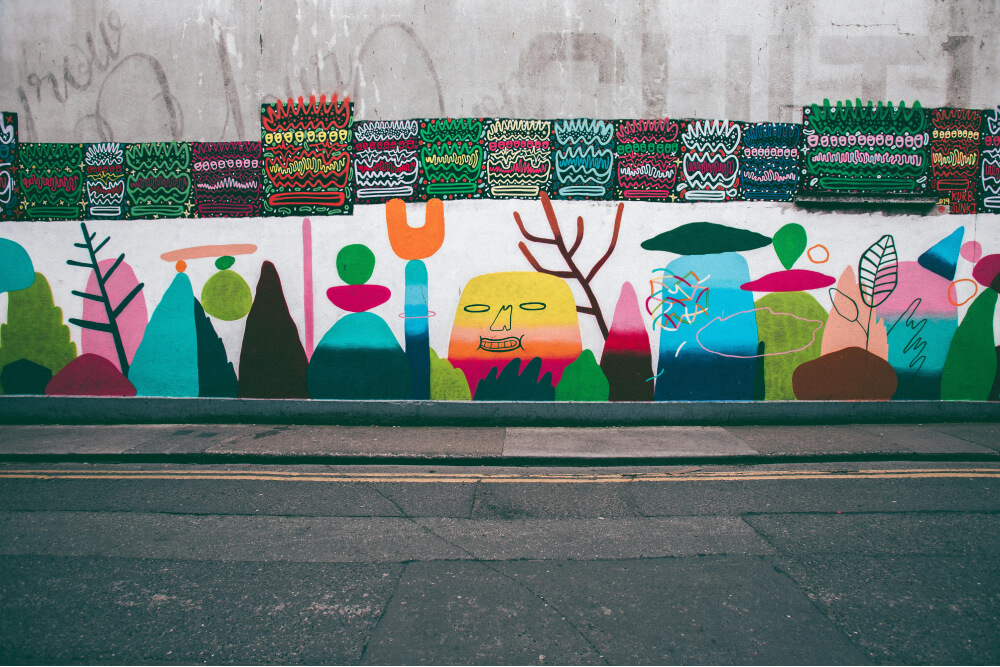
For my latest mural project in Brooklyn, the feeling I wanted to evoke was bittersweet nostalgia. The kind you feel looking at old photographs of a city you once loved.
Color as Emotional Language
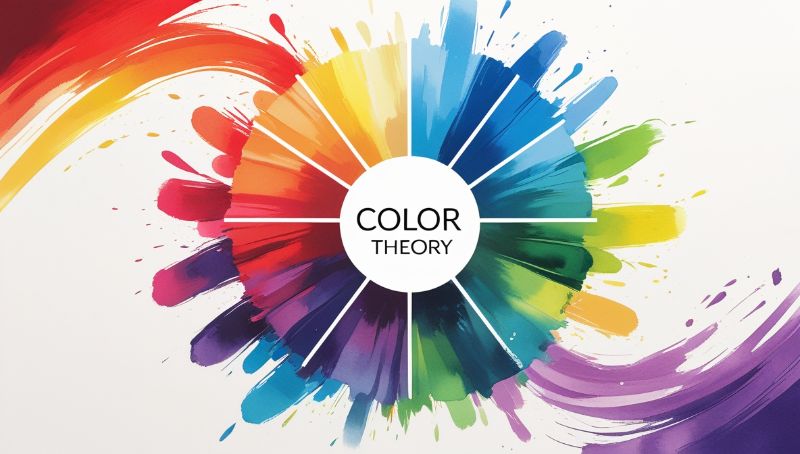
Color is the most direct path to emotion. In the Brooklyn mural, I used:
- Warm amber and terracotta for the base — evoking memory and warmth
- Cool blue-grays in the shadows — introducing melancholy
- Unexpected bursts of yellow — moments of joy breaking through
The contrast wasn’t accidental. It mirrors how nostalgia actually feels: warm and sad at once.
Form Follows Feeling
Once the emotional palette is set, the forms emerge. I work loosely at first — large shapes, gestural marks — then refine. The human figures in the mural are intentionally ambiguous. They could be anyone. That universality is the point.
“Art should make the viewer feel seen, even when it’s not about them.” — Tom Klein
The Final Stroke
The last step is always the hardest: knowing when to stop. Adding more can kill the feeling you’ve carefully built. I’ve learned to step back, sit with the piece, and ask that original question again: Does this feel the way I intended?
When the answer is yes, the artwork is done.