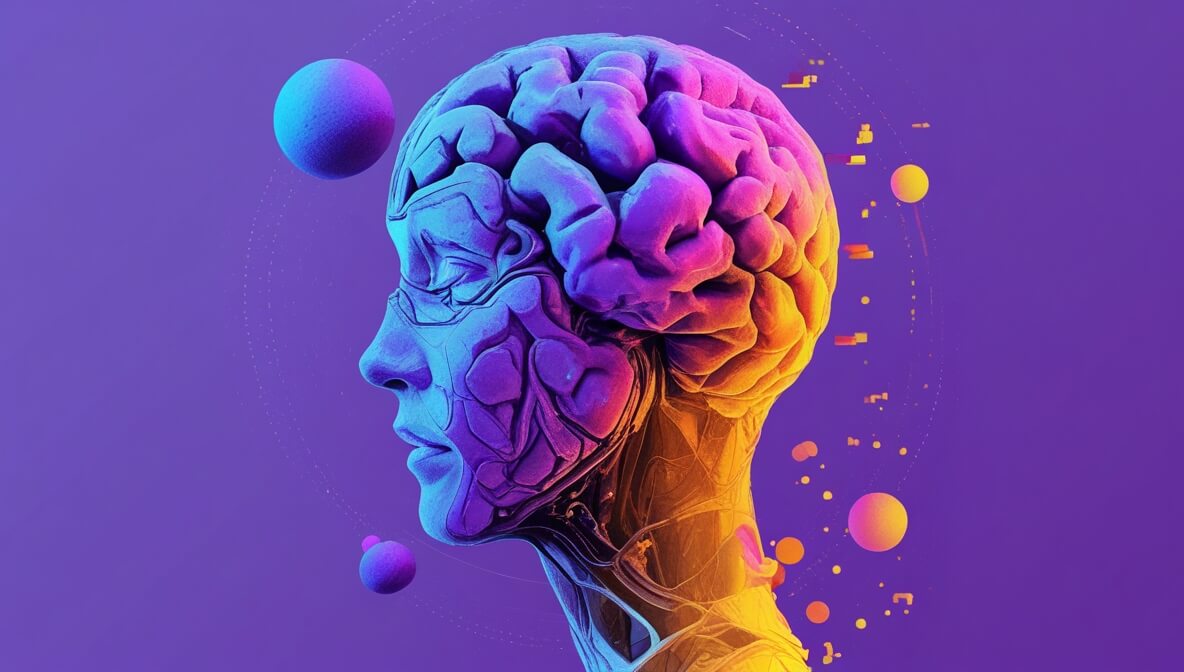
Human-Centered Design Principles

At the heart of every successful product lies a simple truth: users matter. Human-centered design (HCD) puts users at the core of the design process, ensuring that interfaces are intuitive, accessible, and tailored to real-world needs.
What is Human-Centered Design?
HCD is an iterative framework that starts with understanding users' pain points and ends with solutions that solve real problems. It’s not a single step—it’s a mindset.
The Three Pillars of HCD
- Empathy: Step into your users' shoes. Understand their environment, tasks, and frustrations.
- Ideation: Brainstorm freely, test often, and validate ideas quickly.
- Iteration: Feedback is gold. Revise your designs based on real input.
When applied effectively, HCD doesn't just make interfaces better—it makes them meaningful.
"Design is not just what it looks like. Design is how it works—with empathy." — Liam Bennett
Tools & Techniques
Wireframes, user journey maps, empathy maps, and personas are some of the most common tools. But what matters most is the connection between designer and user.
HCD in Agile Environments
In agile workflows, human-centered design aligns beautifully with sprints. Rapid feedback loops and continuous learning fit perfectly into design cycles.
Want to bring empathy into your next project? Reach out and let’s build something users will love.
— Liam Bennett, UI/UX Strategist
Comments (1)

Nina Patel
May 30, 2025This article made me rethink how I run user interviews. Thank you!
Liam Bennett (Author)
May 31, 2025Glad to hear that, Nina! Listening deeply to users can transform your designs.
Leave a Comment

Andrew Mitchell
UI/UX designer with 8+ years of experience, passionate about creating user-centered designs and sharing insights.
Tags
Popular Posts