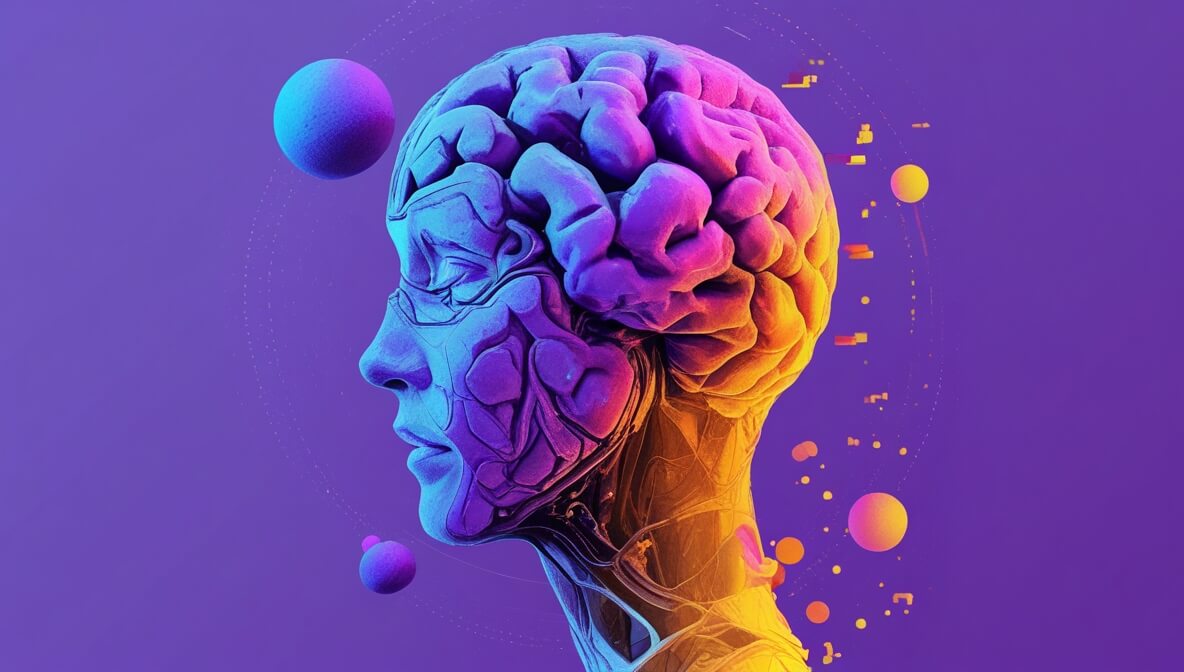
The Evolution of UI/UX Design in the Future

User Interface (UI) and User Experience (UX) design have undergone massive transformations over the past two decades. From the early days of skeuomorphic buttons to the minimalism of modern interfaces, the focus has shifted from aesthetics alone to crafting meaningful, seamless user journeys.
From Interfaces to Experiences
Initially, UI design was heavily influenced by physical objects—think buttons that looked like they were lifted off a control panel or notepads with torn page edges. While visually rich, these designs often prioritized form over function. Over time, designers recognized that beauty meant little if users couldn't achieve their goals effectively.
Enter UX design: the discipline focused on how users interact with digital products, ensuring that those interactions are intuitive, efficient, and even delightful. It’s no longer just about where a button is placed, but how it feels to press it, whether it behaves predictably, and whether it aligns with user intent.
Milestones in UI/UX Design
- 2007: Mobile Revolution — The launch of the iPhone shifted design paradigms toward responsive and touch-first experiences.
- 2010s: Flat Design & Material Design — Skeuomorphism gave way to flat and material designs, emphasizing clarity and hierarchy.
- 2020s: Accessibility & Ethical Design — Today, inclusivity and ethical implications are front and center in the design process.
The Role of Research
Modern UX design is rooted in research. Methods like usability testing, A/B testing, and user interviews help designers validate assumptions and refine designs based on real-world feedback. Personas and journey maps have become essential tools for empathetic design.
"Good design is invisible. Great design is empowering." — Andrew Mitchell
Design Systems and Collaboration
Design systems have revolutionized how teams work. With reusable components, shared guidelines, and centralized assets, UI/UX teams can scale efficiently while maintaining consistency across products. Tools like Figma, Adobe XD, and Storybook have become industry standards.
Beyond the Screen
Today’s designers are no longer confined to screens. Voice interfaces, augmented reality (AR), and wearable tech demand new paradigms of interaction. UI/UX professionals must now consider multisensory experiences and design for environments that blend the digital with the physical.
What the Future Holds
As technology continues to evolve, so too will design. We’re moving toward hyper-personalized experiences powered by AI, deeper integration with neurodesign principles, and design that not only looks good but feels inherently human.
For aspiring designers, the journey is exciting. Stay curious, keep testing, and always design with empathy. Want to dive deeper into emerging UX trends? Let’s connect and explore where design can take us next.
— Andrew Mitchell, UI/UX Designer
Comments (2)

Derek Liu
June 1, 2025This was an amazing read! I appreciated the breakdown of design evolution.
Andrew Mitchell (Author)
June 2, 2025Thank you, Derek! I’m glad it was insightful. The landscape keeps changing, so staying updated is key.

Emma Thornton
June 2, 2025Your point on ethical design really resonated with me. It’s so often overlooked.
Andrew Mitchell (Author)
June 3, 2025Absolutely, Emma. Designing responsibly is something every modern designer should prioritize.
Leave a Comment

Andrew Mitchell
UI/UX designer with 8+ years of experience, passionate about creating user-centered designs and sharing insights.
Tags
Popular Posts